
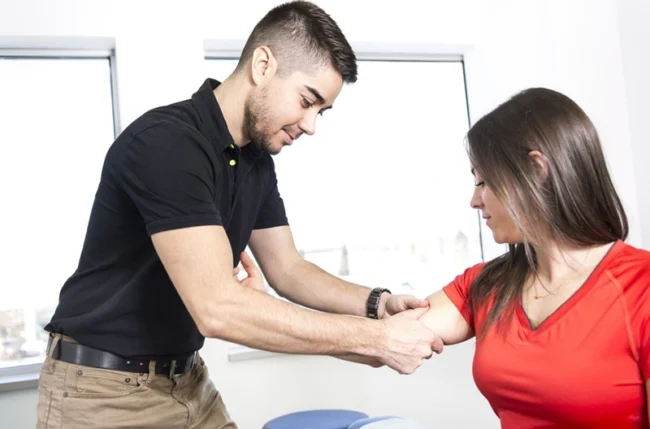
Carpal Tunnel Treatment in Kennewick
If you’re dealing with wrist pain, tingling fingers, or hand weakness, you’re not alone. And you don’t have to just live with it. At Accident Care Chiropractic, we understand how frustrating carpal tunnel symptoms can be, especially when they make work, hobbies, and daily tasks harder. Our goal is to help you feel better and stronger without jumping straight to surgery. Whether your symptoms are new or have been bothering you for a while, we’re here to help you find lasting relief.
For individuals with herniated discs, non-invasive treatment options can support healing and reduce discomfort.
What Is Carpal Tunnel Syndrome?
Carpal Tunnel Syndrome happens when a major nerve in your wrist, called the median nerve, becomes pinched or irritated. This pressure can cause pain, numbness, tingling, or weakness in your hand and fingers. It often results from repeated hand movements, such as typing or using tools, but can also be caused by how your wrist is positioned or by health conditions like arthritis or diabetes.
In simple terms, carpal tunnel is your body’s way of letting you know that something needs attention. The earlier you treat it, the better your chances of avoiding long-term nerve damage.

Symptoms of Carpal Tunnel
Carpal tunnel symptoms typically include:
- Numbness/tingling in the thumb, index, and middle fingers, caused by pressure on the median nerve, which disrupts proper signal transmission.
- Wrist pain or discomfort, often worsening after prolonged use of your hands.
- Tightness/aching in the hand or wrist from swelling or muscle tension.
- Weak grip or dropping objects due to nerve pressure affecting muscle control.
- Hand fatigue during simple tasks like writing, texting, or holding utensils, often occurring more quickly than usual.
If you notice any of these signs, it’s a good idea to get checked. Ignoring them can lead to more serious problems over time.
Causes of Carpal Tunnel
Carpal tunnel can develop due to multiple factors, including:
- Repeated wrist movements, such as typing, or assembly work; Repeating the same motion too often can strain the wrist.
- Wrist bending or awkward hand positions; These limit space in the wrist and increase pressure on the nerve.
- Swelling or inflammation in the wrist; This can crowd the area and squeeze the nerve.
- Health conditions, such as diabetes, thyroid problems, obesity, or arthritis, can increase the risk by affecting circulation and nerves.
- Past wrist injuries or broken bones; Old injuries can change the way your wrist works and make symptoms more likely.
Even small stresses over time can build up and trigger symptoms, even if there is no single injury.
Chiropractic Treatment for Carpal Tunnel Syndrome
At Accident Care Chiropractic, we provide gentle, non-surgical care to reduce symptoms and promote healing. Our treatments include:
- Gentle hands-on therapy to reduce tension and enhance movement.
- Nerve gliding exercises (nerve flossing) to improve nerve mobility.
- Massage techniques to relax muscles and connective tissue.
- Posture coaching and ergonomic tips to prevent future strain.
- Stretching and strengthening exercises to support long-term recovery.
Your care plan will be customized to your symptoms, daily activities, and goals, promoting natural and comfortable healing.


How Accident Care Chiropractic Can Help
At Accident Care Chiropractic, we provide a personalized approach to treating carpal tunnel based on your needs and goals. Our plan focuses on:
- Decrease wrist pain and restore hand function
- Improving nerve health through mobility techniques
- Prevent nerve irritation with smart modifications and exercises
- Minimizing the need for invasive treatments
- Support your overall recovery, whether your symptoms started last month or years ago
With the right care, many patients return to daily activities without pain or frustration.
Book An Appointment
FAQs
- Can a chiropractor help with carpal tunnel?
Yes. A chiropractor can assist by using non-surgical techniques such as wrist adjustments, soft tissue therapy, and nerve gliding exercises to reduce pressure on the median nerve and restore proper wrist function. - Can carpal tunnel be treated without surgery?
In many cases, yes. Conservative treatments like chiropractic adjustments, ergonomic corrections, lifestyle modifications, and nerve mobilization exercises can significantly relieve symptoms without the need for surgical intervention. - How can I treat carpal tunnel naturally?
Natural approaches include chiropractic care, targeted stretching, wrist splinting, activity modification, deep tissue therapy, and nerve gliding techniques. Early treatment is key to preventing progression and avoiding more invasive procedures. - How long does carpal tunnel syndrome last?
The duration of carpal tunnel symptoms can vary. Mild cases may improve within a few weeks with proper care, while chronic or severe cases may persist for several months if left untreated. Early intervention typically leads to a faster and more complete recovery.